Transform Your Outdoor Space: Expert Landscaping Tips for a Stunning Home Garden
Transforming an outdoor space into a stunning home garden involves thoughtful design and thoughtful execution. By assessing the distinct features of a yard, individuals can establish definitive garden objectives. Selecting plants suited to the local climate is critical. Additionally, incorporating practical hardscape features improves both aesthetics and functionality. However, the journey doesn't stop there. Discovering how to maintain vibrancy and sustainability can elevate any garden to the greater heights. What approaches will lead to lasting success?
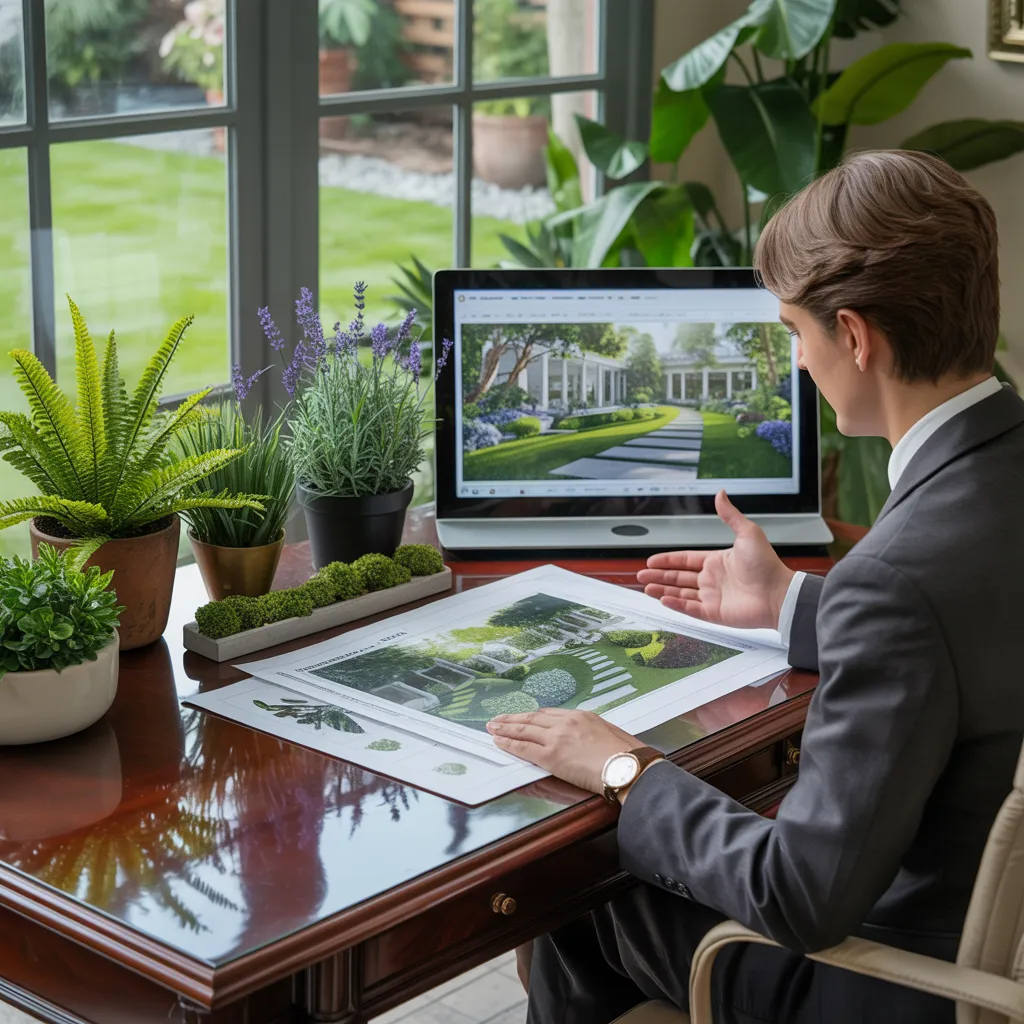
Evaluate Your Outdoor Area to Establish Your Garden Objectives
Before undertaking any garden renovation, it is essential for homeowners to completely assess their outdoor space. This preliminary assessment enables them to understand the unique features of their property, including light exposure, ground quality, and existing vegetation. Identifying these aspects helps in determining what types of landscape features and design can be successfully integrated into the area.
Homeowners should record dimensions and document any obstacles such as trees, fences, or pathways that may influence the design. Additionally, recognizing individual tastes and lifestyle needs—such as areas for entertainment, gardening, or relaxation—can direct the landscaping goals. By clearly defining these objectives, homeowners establish a solid foundation for a cohesive and functional exterior space. This careful evaluation results in a greater and more rewarding garden renovation, guaranteeing the exterior environment not only improves the home's aesthetic but also satisfies the practical needs of its inhabitants.
Determine the Perfect Plant Selection for Your Local Environment
Choosing the ideal vegetation for a particular region is essential for establishing a thriving outdoor space. Comprehending local weather patterns, including temperature ranges, rainfall, and moisture levels, helps homeowners select plants that will flourish. Native plants often adapt most effectively, requiring minimal upkeep and irrigation. For instance, drought-resistant varieties are ideal for arid regions, while water-preferring plants flourish in humid climates.
Gardeners should further take into account climate variations; choosing plants that provide year-round interest improves the landscape. Spring-flowering plants, warm-season vegetation, and vibrant fall foliage can develop a dynamic visual experience. Furthermore, consulting local gardening centers or agricultural resources can provide helpful information into durable vegetation adapted for specific conditions.
In the long run, a well-planned vegetation arrangement enhances not only visual appeal but also supports native fauna and supports environmental sustainability, making it a wise choice for any outdoor space transformation.
Transform Your Garden With Decorative Structural Components
Functional hardscaping elements act as vital components in shaping exterior areas and maximizing their practicality. By incorporating seating areas and professionally planned walkways, homeowners can create welcoming outdoor settings that encourage comfort and mobility. Additionally, edging can establish different zones within the garden, adding structure and visual interest.
Define Your Outdoor Space
Creating a strategically planned outdoor space can renovate a yard into an pleasant sanctuary. One effective approach to achieve this is through practical landscape features, which provide organization and arrangement. Walkways made from natural stone or brick guide guests while adding visual interest. Support walls can form tiered levels, improving the landscape's visual impact and stopping soil loss. Fencing or trellises can mark borders, providing privacy and a sense of enclosure. Adding elevated planting zones not only defines planting areas but also makes them more accessible. These elements function in unison to create distinct zones that enhance both aesthetics and functionality. Ultimately, a well-organized outdoor space creates a tranquil setting where homeowners can relax and enjoy nature.
Integrate Seating Areas
Incorporating sitting zones into an exterior environment greatly enhances its usability and appeal. By integrating functional hardscaping elements, homeowners can establish welcoming areas for relaxation, socializing, or enjoying nature. Choices range from benches, outdoor furniture, or hanging seats, each adding to the landscape's visual appeal and comfort. Thoughtfully positioning chairs near key areas like garden displays or fountains, prompts visitors to interact with their environment. Additionally, selecting materials such as wood or stone can match the landscape's style, maintaining visual unity. Shade structures, such as arbors or parasols, offer relief during hot seasons, ensuring these spaces are functional year-round. Ultimately, expertly crafted sitting zones transform an ordinary garden into a pleasant sanctuary for loved ones and guests.
Create Walkways And Edges
Borders and pathways function as important components in exterior planning, moving visitors through the garden while improving its structural excellence. They encourage arrangement and movement, supporting the recognition of multiple zones and vegetation selections. Brick, stone, or gravel options can create solid walkways, while borders derived from ornamental dividers or landscaping boost aesthetic appeal. Pathways can inspire discovery, emphasizing elements like garden beds or fountain features. Well-maintained borders prevent weed encroachment and ground deterioration, boosting garden resilience. When combined, pathways and borders enhance usability while improving stylistic appeal of your exterior environment, rendering locations more inviting and delightful.
Establish Movement With Pathways and Seating Spots
A thoughtfully designed exterior area regularly showcases a cohesive circulation created through strategically arranged pathways and rest areas. Pathways lead people throughout the garden, developing a strong sense of navigation while improving the aesthetic appeal. Applying selections including gravel, stone, or wood can improve the path's beauty and support durability.
Rest zones offer resting spots, encouraging visitors to stop and enjoy the environment. Placing seating deliberately near highlights, like a water feature or a planted area, promotes engagement with the outdoor setting. Your seating selection—chairs, benches, or even swings—will affect the mood, whether formal or relaxed.
Incorporating both pathways and seating fosters an inviting environment, enhancing usability and enjoyment. Together, they create a seamless shift between different areas of the garden, promoting exploration and relaxation, ultimately transforming any outdoor space into a tranquil retreat.
Enrich Your Outdoor Space With Seasonal Shades and Character
To strengthen the visual attractiveness of a landscape, deliberate curation of seasonal plantings is essential. Blending diverse textural characteristics can introduce layers and fascination, meanwhile deliberately arranged focal areas can command views and forge a balanced plan. Each feature together ensure a vibrant and dynamic garden environment during the entire year.
Choose Seasonal Plants Wisely
Choosing plants for different seasons wisely can convert your garden into a stunning array of hues and forms. By picking plants with staggered blooming periods, gardeners can guarantee a continuous display of beauty. Spring bloomers, summer-flowering plants, fall perennials, and cold-season evergreens each contribute unique hues and forms to the landscape. It is important to consider local climate conditions and soil types, as well as the plants' growing patterns. Regional native plants often thrive better and require less maintenance, increasing ecological diversity. Additionally, combining plants with varying heights and bloom times can create a dynamic visual effect. Ultimately, thoughtful selection fosters a landscape that changes with seasonal shifts, offering a delightful experience year-round.
Establish Multiple Textures For Dimensional Appeal
Creating garden depth involves combining textures that support and improve seasonal hues. By incorporating a variety of plants with differing foliage shapes, sizes, and colors, one can achieve a visually dynamic landscape. For instance, pairing wide-leaved plants with delicate grasses can create contrast and intrigue. Additionally, integrating bark, stones, and other natural materials adds sensory touches that improve the complete landscape. Seasonal blooms should be strategically positioned to provide bursts of color throughout the year, ensuring that each layer remains visually interesting. This thoughtful arrangement not only guides your gaze through the landscape but also creates an engaging environment where each element adds to the garden's overall beauty and balance.
Place Visual Anchors Strategically
Strategically incorporating focal points can markedly enhance a garden's visual beauty and seasonal color. These focal points serve as anchors that draw the eye and create a cohesive design. Gardeners can utilize elements such as sculptures, ornamental trees, or vibrant flower beds to create visual appeal. Flowering displays can be infused via the thoughtful choice of plants with varied bloom periods, guaranteeing the garden stays vibrant all year long. Textures also play a significant role; combining smooth stone paths with rough bark or lush foliage adds depth. By thoughtfully placing these elements, a gardener can establish a welcoming environment that promotes discovery and enjoyment, transforming an outdoor space into an engaging retreat.
Adopt Sustainable Practices for a Healthy Garden
Embracing sustainable approaches is crucial for fostering a flourishing garden that flourishes in sync with the ecosystem. Horticulturists are recommended to leverage native plants, which necessitate minimal irrigation and upkeep while enhancing regional creatures. Adopting chemical-free approaches, such as compost-based methods and natural pest control, can significantly minimize chemical applications, building a more robust ecosystem
Efficient water approaches, like efficient water delivery and collecting rainwater, enhance sustainability by optimizing resource efficiency. Applying mulch retains hydration and also prevents weed growth, decreasing the requirement for chemical weed control. Furthermore, supporting biological diversity by including varied vegetation promotes resilience to harmful organisms along with plant diseases.
Soil quality is important; strategies such as crop cycling and cover cropping keep nutrient content excluding the need for synthetic nutrients. By implementing these sustainable approaches, growing enthusiasts can establish an excellent space that nurtures plant life and environmental health, resulting in a more rewarding gardening pleasure.
Manage Common Challenges for Continuous Garden Aesthetics
A properly-cared-for outdoor space can encounter many obstacles across seasons, influencing its general aesthetics as well as health. Common issues consist of insect problems, nutrient shortages, along with inadequate water supply. Detecting pests early is important; gardeners should regularly review foliage for damage indicators as well as address pest problems with organic pesticides alternatively bringing in predatory insects.
Nutrient shortages typically show as discolored leaves and limited growth. Doing soil examinations can enable pin down particular requirements, allowing useful tips for targeted fertilization Lacking minerals typically display as discolored leaves or reduced growth. Conducting soil assessments can enable pin down specific needs, making possible strategic nutrient supply bringing back stability. Also, guaranteeing adequate water supply is crucial; too much water can cause rotted roots, while too little water stresses growing things.
Seasonal shifts also necessitate modifications to upkeep. Throughout winter, mulching guards root areas against cold, while summer can require additional water along with shade to protect tender plants. By handling such standard difficulties promptly
Should I Execute Garden Design Independently or Bring in a Professional?
One can certainly undertake garden work independently, leveraging web-based guides and imagination. However, hiring a professional ensures skill, efficiency, and improved output, especially for advanced designs or larger projects that require expert knowledge.
What Equipment Are Important for Home Landscaping?
Essential tools for residential landscaping include a standard rake, digging tool, spade, pruning shears, fork, and a garden hose or sprinkler can. These items support efficiently managing earth, plants, and comprehensive garden care, guaranteeing professional landscaping.
How Do I Keep My Garden Across the Seasons?
To keep a garden area throughout the year, one should regularly prune vegetation, use mulch for temperature control, check water levels, and establish seasonal planting strategies. Moreover, pest prevention and soil fertilization are necessary for vibrant, healthy growth.